
Deciding on a new roof is one of the most significant investments a homeowner can make, influencing everything from curb appeal to energy efficiency and structural integrity. For homeowners across Massachusetts, navigating the options can feel overwhelming, especially when comparing popular choices like standing seam metal roofs and traditional asphalt shingles. At All Seasons Roofing & Siding, we believe in providing clear, comprehensive information to help you make the best decision for your home, without any pressure. This guide is designed to illuminate the key differences between these two prominent roofing materials, helping you understand which might be the perfect fit for your property.
Understanding Traditional Asphalt Shingles
Asphalt shingles have long been the go-to roofing material for many homeowners due to their initial affordability and widespread availability. They offer a broad spectrum of colors and styles, allowing for easy customization to match your home's aesthetic. Installation is generally quicker and less complex compared to metal roofing, which can lead to lower labor costs. However, while asphalt shingles are a cost-effective choice upfront, their lifespan typically ranges from 15 to 30 years, depending on the quality of the shingle and local weather conditions. They are also more susceptible to damage from extreme weather like strong winds and hail, and their darker colors can absorb more heat, potentially increasing cooling costs in warmer months.
Exploring the Advantages of Standing Seam Metal Roofs
Standing seam metal roofs represent a significant step up in terms of longevity, durability, and performance. Crafted from robust materials like steel or aluminum, these roofs are designed to last 50 years or more, often outliving the home itself. Their interlocking panels create a continuous, watertight seal, making them exceptionally resistant to high winds, heavy snow, and hail. Furthermore, metal roofs are inherently energy-efficient; their reflective properties can significantly reduce attic temperatures, leading to lower energy bills. While the initial investment for a standing seam metal roof is higher than asphalt, its extended lifespan, minimal maintenance requirements, and potential for increased home value often make it a more cost-effective choice over the long term.
Key Considerations for Your Home
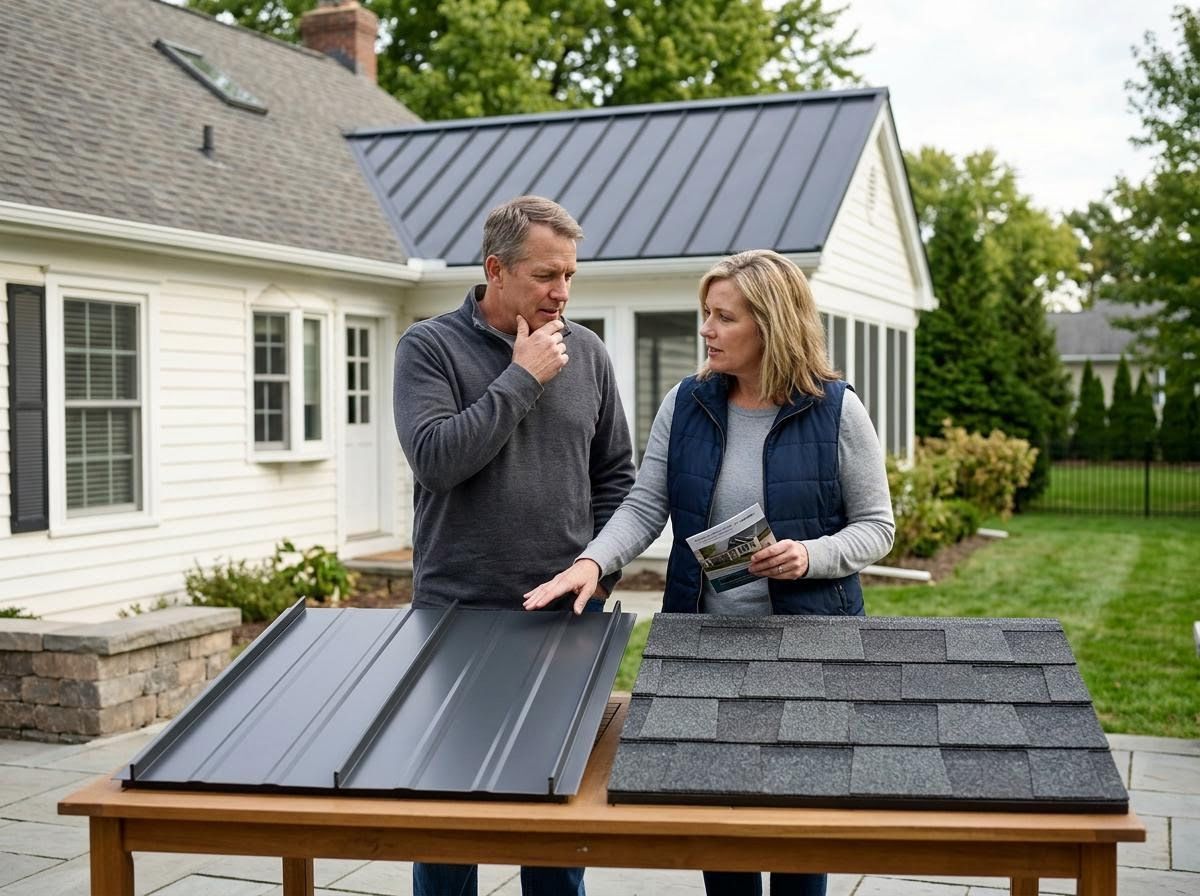
When choosing between a standing seam metal roof and traditional asphalt, several factors should guide your decision. Consider your budget: are you prioritizing a lower upfront cost or a long-term investment with greater durability and energy savings? Think about your home's architectural style; metal roofs can offer a sleek, modern look, while asphalt provides traditional versatility. Your local climate also plays a role; if you experience harsh winters or frequent storms, the superior weather resistance of metal might be a deciding factor. Finally, maintenance is another consideration. Metal roofs require very little upkeep, whereas asphalt shingles may need periodic repairs or replacements over their lifespan.
Ultimately, the best roofing solution is one that perfectly aligns with your home's unique needs, your aesthetic preferences, and your long-term financial goals. Whether you lean towards the proven reliability of asphalt or the enduring strength and efficiency of standing seam metal, understanding the distinct benefits and considerations of each is paramount. At All Seasons Roofing & Siding, we are committed to providing you with the highest quality craftsmanship and a transparent, educational experience from start to finish. To explore which roofing solution best suits your home and preferences, we invite you to connect with our team for a personalized consultation.